
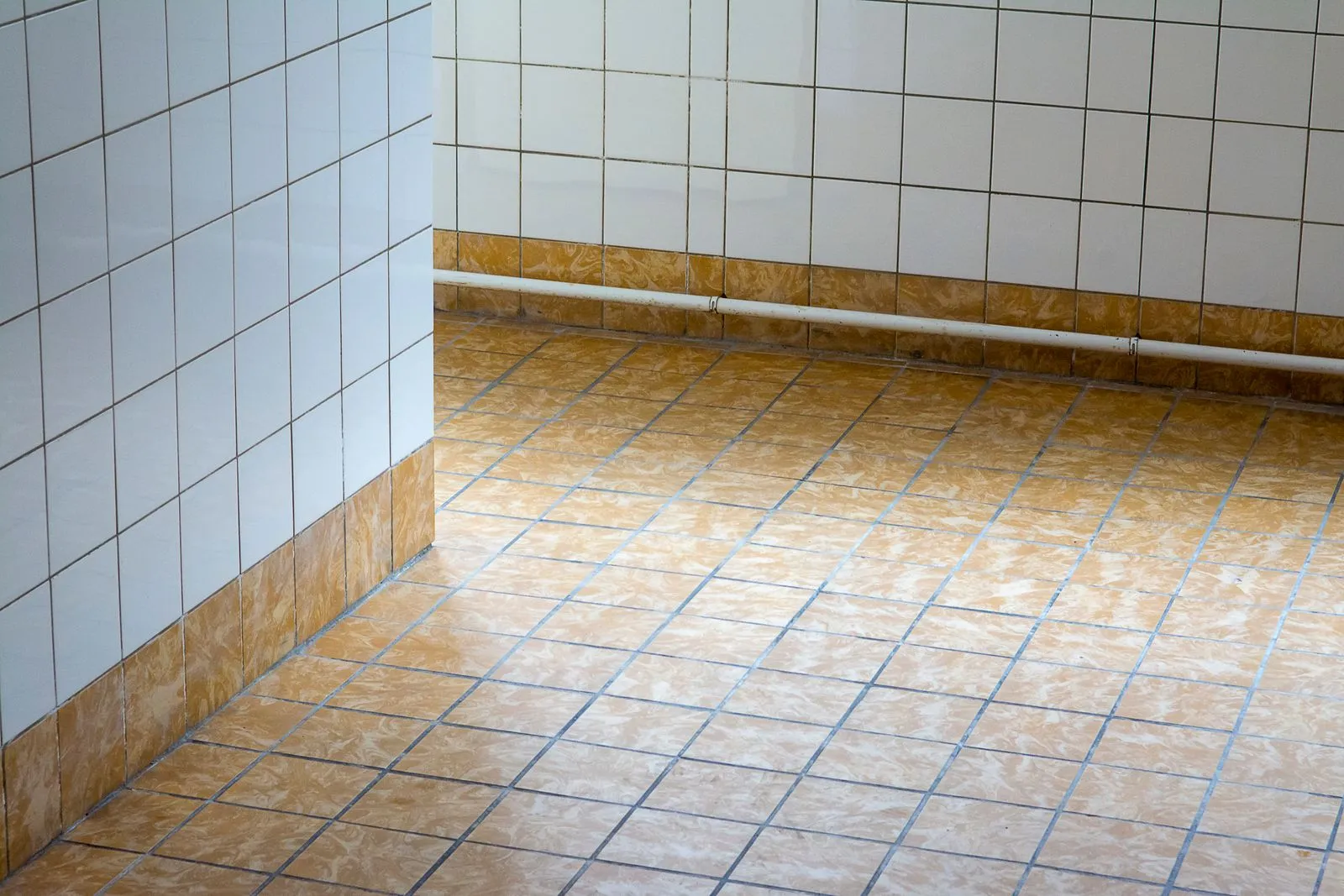
Bathroom floor tile needs to do more than look good. It should handle splashes, routine cleaning, and the everyday risk of wet feet. The right choice depends on the room, your maintenance preferences, and the surface underfoot—not just color or pattern. Compare tile materials, check the finish for traction, and plan the layout before you buy. These practical steps can help you choose a floor that suits your bathroom and holds up to daily use.
Compare Tile Materials
Porcelain is a popular choice for bathroom floors because it is dense and absorbs little water. It comes in many colors and designs, including styles that resemble wood or stone. Check the product’s intended use and installation instructions; not every tile is suitable for every floor or setting.
Ceramic tile offers plenty of color and pattern options and can work well in many bathrooms. It is generally easier to cut than porcelain, but product properties vary, so verify that the specific tile is rated for floor use. Natural stone brings distinct variation and texture, but often needs more care, such as sealing and cleaning with products approved for that stone.
Look Beyond the Finish
A glossy, smooth tile may be easy to wipe clean, but it can feel slippery when wet. For a bathroom floor, examine the surface and ask the supplier for the tile’s slip-resistance information for wet areas. A textured or matte finish may offer more grip, though deeper texture can collect soap residue and take extra effort to clean.
Small mosaic tiles create more grout lines, which can add traction and help a floor follow a sloped shower surface. They also mean more grout to maintain. Larger tiles have fewer grout joints and can make an open floor feel less busy, but they need a properly prepared, even base. Choose based on the room’s layout and how much upkeep you want.
Check Fit and Maintenance
Measure the room and note the toilet, vanity, doorway, and any shower curb before choosing tile size. Consider how cuts will fall along visible edges and around fixtures. Bring home samples when possible; view them in the bathroom’s lighting and place them near existing finishes to see how the color and texture work together.
Ask what the tile and grout require for cleaning and whether the grout needs sealing. Use products recommended for the material, especially with natural stone, which can be damaged by unsuitable cleaners. Also account for grout color: lighter grout may show soil sooner, while a contrasting grout makes the pattern more noticeable.
Plan for a Sound Installation
A durable tile can still fail if water reaches the wrong places or the floor is uneven. Confirm that the floor structure and underlayment are appropriate, and that wet areas have the required waterproofing and drainage details. Follow the tile and setting-material manufacturers’ instructions for preparation, grout joints, and curing.
Before ordering, confirm the quantity needed, including extra pieces for cuts and future repairs, and check that boxes come from compatible production batches. If you are unsure about floor preparation, tile suitability, or shower transitions, discuss those details with an experienced installer before work begins.
Choose bathroom floor tile by balancing water suitability, wet-foot traction, cleaning needs, and the room’s layout. Compare samples in the space, verify product guidance, and plan the installation details before buying. If you would like help evaluating options for your Little Rock bathroom, River City Tileworks can discuss the project and next steps.